Field notes: the week a repaint ruined our height estimate
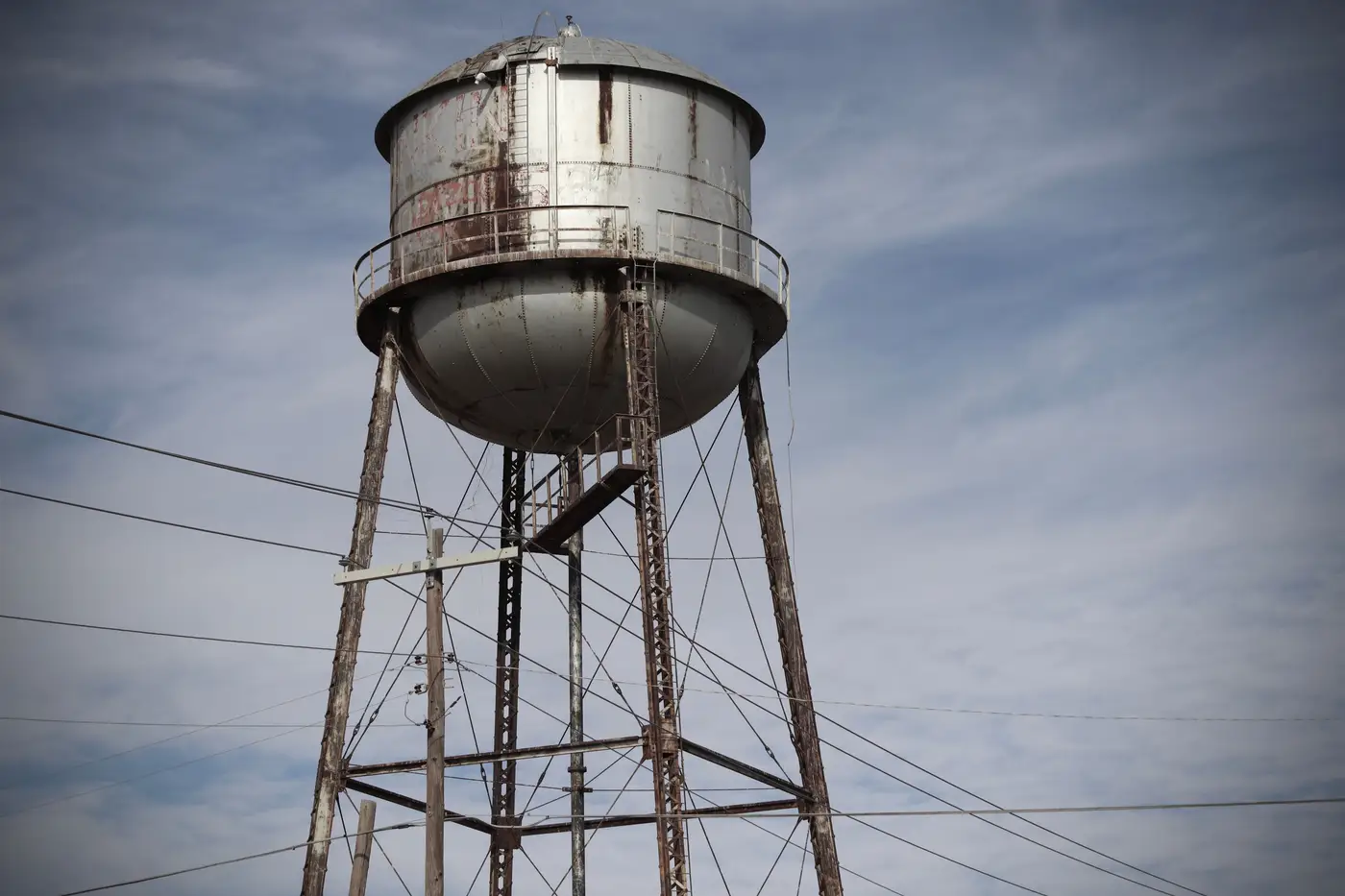
A municipal water tank sat near the top of a search ring we were working through in October, the kind of candidate that looks almost too good on first pass. Elevated legs, clear parcel, no obvious obstructions in the 360. We'd pulled a height estimate off imagery a few weeks earlier and it looked clean: spheroid tank, consistent shadow length, nothing weird in the silhouette.
The ring sat for three weeks while we worked through other candidates. The next imagery pass came back with a number off by just enough to trip a flag. Six feet, give or take, on a structure where six feet matters if you're trying to figure out whether a third carrier fits above the existing arrays.
Turned out the utility had repainted the tank that month. New coat, standard municipal gray-blue swapped for a brighter white, and somewhere in that job a scaffold ring had gone up around the riser and stayed there for most of the repaint window. The scaffold didn't change the tank's actual height by an inch. It changed what the edge detection was reading as the top of the structure, because now there was a secondary ring of structure sitting a few feet below the tank rim that read almost as cleanly as the rim itself in the new imagery pass.
We caught it because the number moved between passes on a structure that had no business changing, not because anyone eyeballed the picture and noticed scaffolding. If we'd only pulled imagery once and treated it as gospel, that candidate would've gone to a field crew with a height figure that was wrong in a way that only shows up once someone's standing at the base of the tank with a laser rangefinder, which is an expensive way to learn you had bad data.
What's worth sitting with is how ordinary the cause was. A utility repainted a tank, which utilities do on a schedule, and for a few weeks the structure looked different enough from altitude that a height model built on edges and shadow geometry picked up the wrong feature. Scaffolding, a crane left in frame, a tarp over half the tank during a repair, any of these can sit on a structure for weeks and nobody flags it because nobody's watching that particular tank that closely. You only find out when the estimate shifts on a return pass, or when a crew gets there and the number doesn't match what they're looking at.
Treat a single imagery pass as a candidate screen, no matter how clean the geometry looks. Run the screen again close to when you're actually going to send someone, rather than working off a height figure that's six weeks or six months stale by the time a crew leaves the yard. A ring we screen today and don't act on until spring is a ring worth screening again before the site walk, because towers and tanks are not static objects. They get repainted, re-lined, re-rigged. Trees around them grow. Scaffolding goes up and, eventually, comes down.
None of that is a reason to distrust imagery screening. It's a reason to run it the way you'd check a weather forecast, as a current read you refresh before it matters, not a fact you file away. That's the whole premise behind how we built Rooftop Site Selection: screen the ring on demand, against current imagery, right before you commit a crew day, so the height and clearance numbers a candidate list hands you reflect what's standing out there this month, not what was standing there last spring.
Run your next ring through a fresh pass before you schedule the walk.