What is a host structure in cell site acquisition?
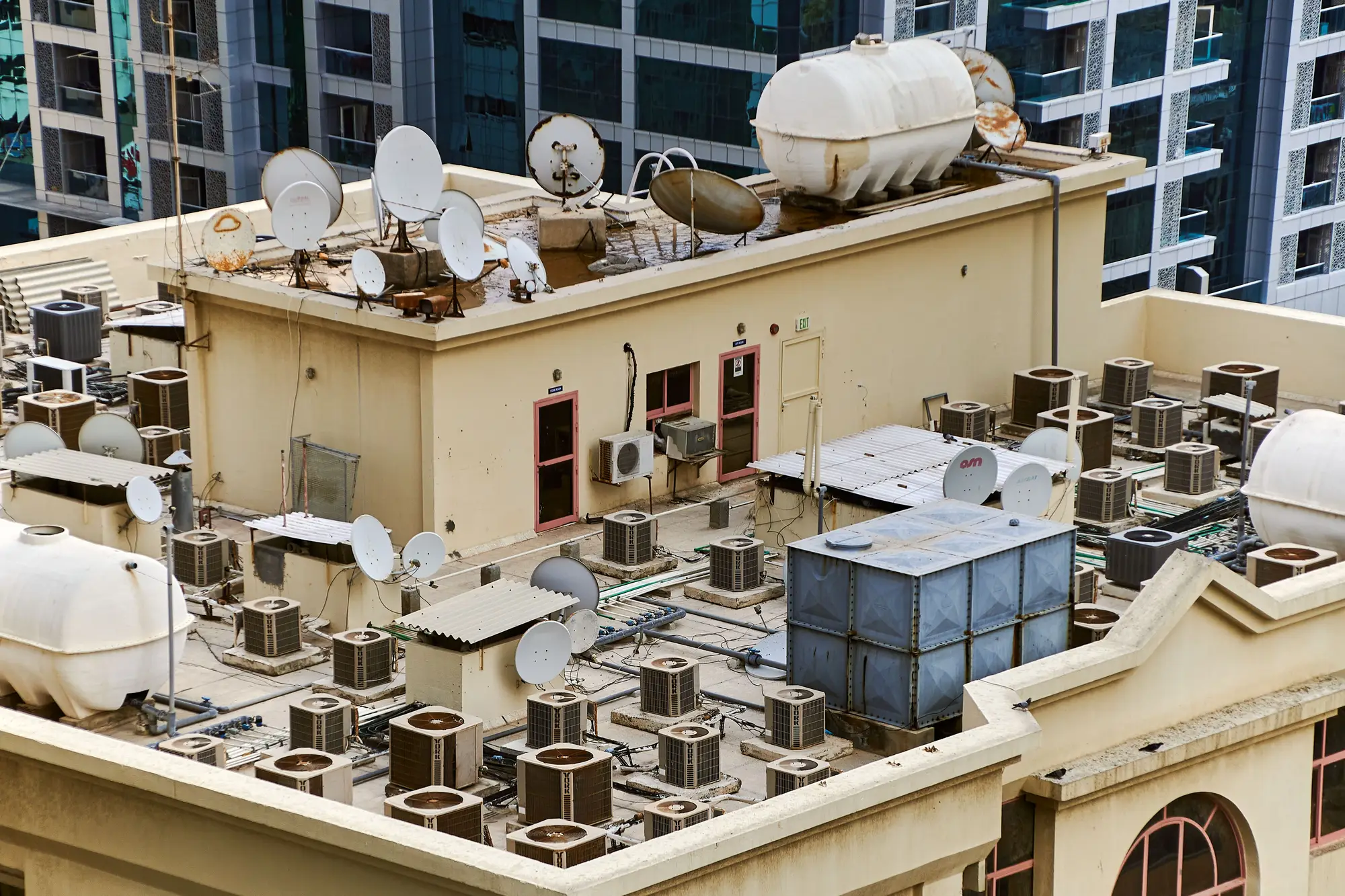
If you're new to site acquisition or you're explaining the job to someone outside the industry, "host structure" is one of those terms everyone in the trade uses and nobody quite defines out loud. Here's the plain version.
The short definition
A host structure is any existing structure that ends up carrying a carrier's or operator's RF equipment: antennas, remote radio units, cabling, sometimes a small equipment cabinet nearby. It's not a purpose-built monopole or lattice tower put up for the sole job of holding antennas (those are towers, full stop). A host structure is something that already exists for another reason, a rooftop, a water tank, a silo, a church steeple, a billboard, a smokestack, and gets a lease and a mount added to it.
The term matters because it draws a line between build-to-suit and collocation. When a search ring comes back with no good spot for a new tower, or the zoning board won't approve one, site acquisition pivots to finding a host. That's most of the work on infill and densification rings now, with greenfield builds a shrinking share of the pipeline.
Candidate structure vs host structure
These two terms get mixed up constantly, so here's the distinction: a candidate structure is anything you're still evaluating. A host structure is what's left after you've evaluated it, leased it, and mounted equipment on it. Every host structure was a candidate first. Not every candidate becomes a host. Most don't.
That gap, between the list of candidates you pull off a basemap and the one or two that clear every check, is where most of a site acq specialist's week goes. In a dense market, candidates are easy to find. Candidates that survive the walk are scarce.
What makes a candidate clear the bar
A handful of things decide whether a candidate structure becomes a usable host:
- Height. Does the structure clear nearby buildings, trees, and terrain by enough to hit the coverage objective for that ring?
- Line of sight. Can the mount point actually see the sectors it needs to see, or does a parapet, a penthouse, an adjacent rooftop HVAC unit, or a neighboring high-rise block the path?
- Roof or structure access. Is there a path to get a crew and equipment onto the structure, and room up there once they arrive? A rooftop crowded with mechanical units, solar arrays, or a building owner who won't allow access is a dead candidate no matter how tall it is.
- Structural capacity. Can the structure take the added dead load and wind load of a mount and radios without an engineering retrofit that kills the economics?
- Lease and zoning. Will the owner sign, and will the jurisdiction allow it? This one's pure legwork, not something you screen for from a desk.
The first three, height, line of sight, and access, are the ones that kill the most candidates before a lease ever gets discussed, and they're also the ones that are hardest to judge from a satellite basemap. A rooftop looks tall and clear in a 2D image. Whether it has usable height and an unobstructed sightline to the next site in the ring is a different question, and traditionally the only way to answer it has been to send someone out to look.
That's the gap Rooftop Site Selection is built for: running a search ring against VHR imagery and 3D photogrammetry to flag which rooftops and towers have the height, access, and clearance to be worth a field crew's time, before anyone drives out to find out the hard way.
If you're staring down a search ring full of rooftop candidates and wondering which ones are worth a site walk, that's exactly the question this tool is built to answer.